


Major tournaments bring intense pressure, demanding peak performance from every sports team. Staying focused under stress is a skill built through preparation, mindset, and strategy. From mental conditioning to tactical planning, teams use proven methods to stay calm, organised, and competitive when the stakes are highest.
Major tournaments are high-stakes moments where performance, expectations, and scrutiny all intensify. Athletes must navigate emotional stress, tactical demands, and the weight of representing their team or country. To stay competitive, sports teams rely on structured psychological preparation, strong leadership, and strategic routines designed to keep pressure manageable rather than overwhelming.
Tournament pressure extends beyond physical performance. It includes:
- High expectations from fans and the organisation
- Tight schedules with little recovery time
- Intense media attention
- The fear of making mistakes
- The mental load of knockout competition
Successful teams acknowledge these challenges early and prepare for them as part of their overall performance strategy.
Building a Strong Psychological Foundation
The mental side of sport often determines how well athletes handle pressure. Teams focus on psychological readiness through structured routines that enhance control, confidence, and emotional balance.
1. Mental Conditioning Programmes
Teams invest in mental training to improve resilience. This approach typically includes:
- Breathing exercises to manage stress
- Visualisation routines before matches
- Positive self-talk to reframe negative thoughts
- Short reset techniques during games
These methods help athletes stay grounded when moments become intense.
2. Emphasising Team Identity and Values
Clear identity strengthens unity. Teams regularly discuss shared values—discipline, trust, communication—creating a culture that supports players during stressful stages. When pressure rises, these values act as psychological anchors.
Routine, Structure, and Stability
Consistency reduces uncertainty, one of the biggest drivers of performance anxiety.
1. Pre-Competition Rituals
Teams follow set routines before each tournament match. These rituals provide a sense of familiarity in unfamiliar environments. Several teams rely on:
- A consistent warm-up pattern
- Scheduled team talks
- Clear communication timelines
These habits create stability, allowing players to quickly settle into the right mindset.
2. Tactical Clarity
Pressure feels heavier when players are unsure of their roles. Coaches emphasise tactical clarity with:
- Clearly defined responsibilities
- Simplified instructions for crucial phases
- Structured game plans that allow adaptability
Knowing exactly what to do helps athletes stay calm and confident.
The Role of Coaches and Leaders
Leaders shape the emotional tone of a team during high-pressure moments. Calm coaches often guide calm teams.
1. Maintaining Composure
Coaches model controlled behaviour, especially during tense moments. Their communication remains direct, constructive, and solution-focused.
2. Supporting Emotional Regulation
Leadership groups within the team—captains, senior players—act as stabilisers. They encourage composure, offer reassurance, and remind players of the collective strategy.
3. Clear Feedback Channels
Teams create efficient communication systems so that instructions are easy to understand, even in fast-paced moments. This reduces players’ mental load and prevents confusion.
Physical Preparedness Reduces Pressure
A well-prepared body supports a well-prepared mind.
1. Fitness and Recovery
Teams follow strict fitness programmes to ensure stamina and strength. Proper conditioning means players can trust their bodies. Confidence in physical preparedness immediately lowers psychological stress.
2. Nutrition and Hydration
Teams follow structured nutrition plans to support endurance, focus, and recovery. Balanced meals and hydration routines are planned well in advance of matches.
3. Sleep and Rest Cycles
Scheduling sleep is part of performance planning. Proper rest helps athletes maintain clarity and emotional control during intense stages of competition.
Communication: The Backbone of Pressure Management
Effective communication is essential for managing pressure during major tournaments because it strengthens trust and reduces confusion. On the field, players rely on short, clear cues to maintain tactical structure and react quickly to shifting situations. Off the field, teams foster open conversations where athletes can express concerns, share feedback, and address emotional stress. This balance of concise in-game communication and supportive off-game dialogue ensures everyone stays aligned, confident, and mentally grounded.
By creating an environment where information flows smoothly, teams minimise misunderstandings and prevent internal pressure from escalating, ultimately improving performance under high-stress conditions.
Adapting to Changing Situations
Tournament environments are unpredictable. Adaptability is an essential skill for handling pressure.
1. Scenario Training
Teams practise high-pressure situations in controlled environments, such as:
- Playing from behind
- Handling last-minute tactical adjustments
- Managing extra time or penalties
This training makes stressful scenarios feel familiar.
2. In-Match Adjustment Plans
Teams prepare several possible strategies, allowing them to shift quickly without losing momentum. This reduces panic during unexpected situations.
Using Support Staff to Reinforce Stability
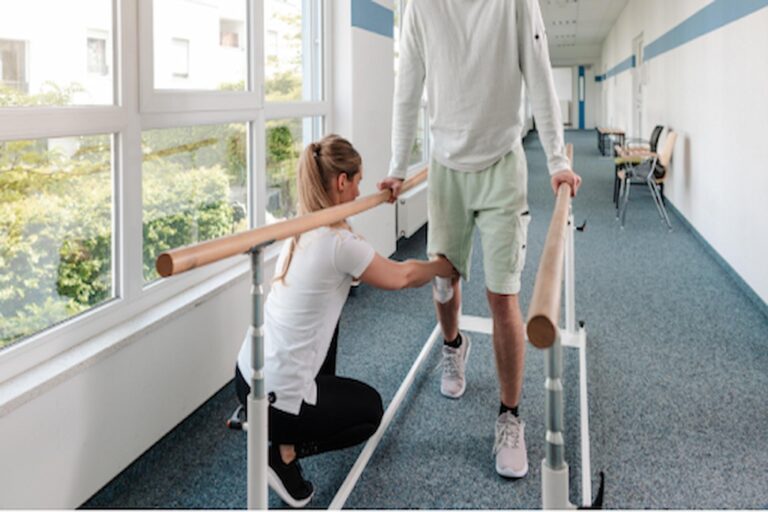
A strong support team plays a crucial role in helping athletes manage pressure during major tournaments. Sports psychologists guide players in building mental resilience, while physical therapists work to prevent stress-related injuries and maintain physical stability. At the same time, analytics teams provide data-driven insights that simplify tactical decision-making. Together, these professionals reduce athletes’ cognitive load, ensuring they are not overwhelmed by planning, analysis, or physical strain.
By handling key aspects of preparation and performance, support staff create a stable environment where players can stay focused on execution and perform confidently under pressure.
Actionable Tips for Managing Tournament Pressure
Whether for professional teams or amateur clubs, the following strategies can support success:
- Create consistent routines that guide preparation and reduce uncertainty.
- Build strong communication systems to keep everyone aligned.
- Prioritise mental conditioning with techniques for stress control.
- Prepare multiple game plans to remain adaptable under pressure.
- Strengthen team values and identity to enhance unity and emotional stability.
Conclusion
Managing pressure during major tournaments requires more than skill. It involves preparation, mindset, leadership, and strategic planning. When teams build intense routines, maintain clarity, and support each other, pressure becomes manageable. With the right systems in place, athletes can perform with confidence even when the stakes are highest.