

Direct sunlight, rising indoor temperatures, and limited outdoor usability are common challenges for many properties. Awnings address these issues by controlling glare, reducing heat buildup, and extending usable space. With options ranging from fixed to retractable designs, awnings deliver practical shade solutions while enhancing the exterior character of both homes and commercial buildings.
When Shade Becomes a Design Advantage
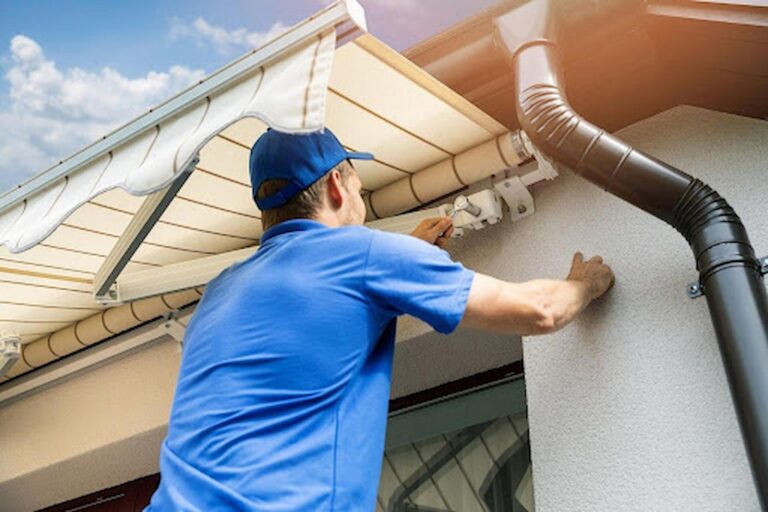
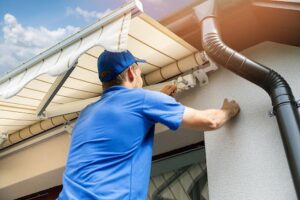
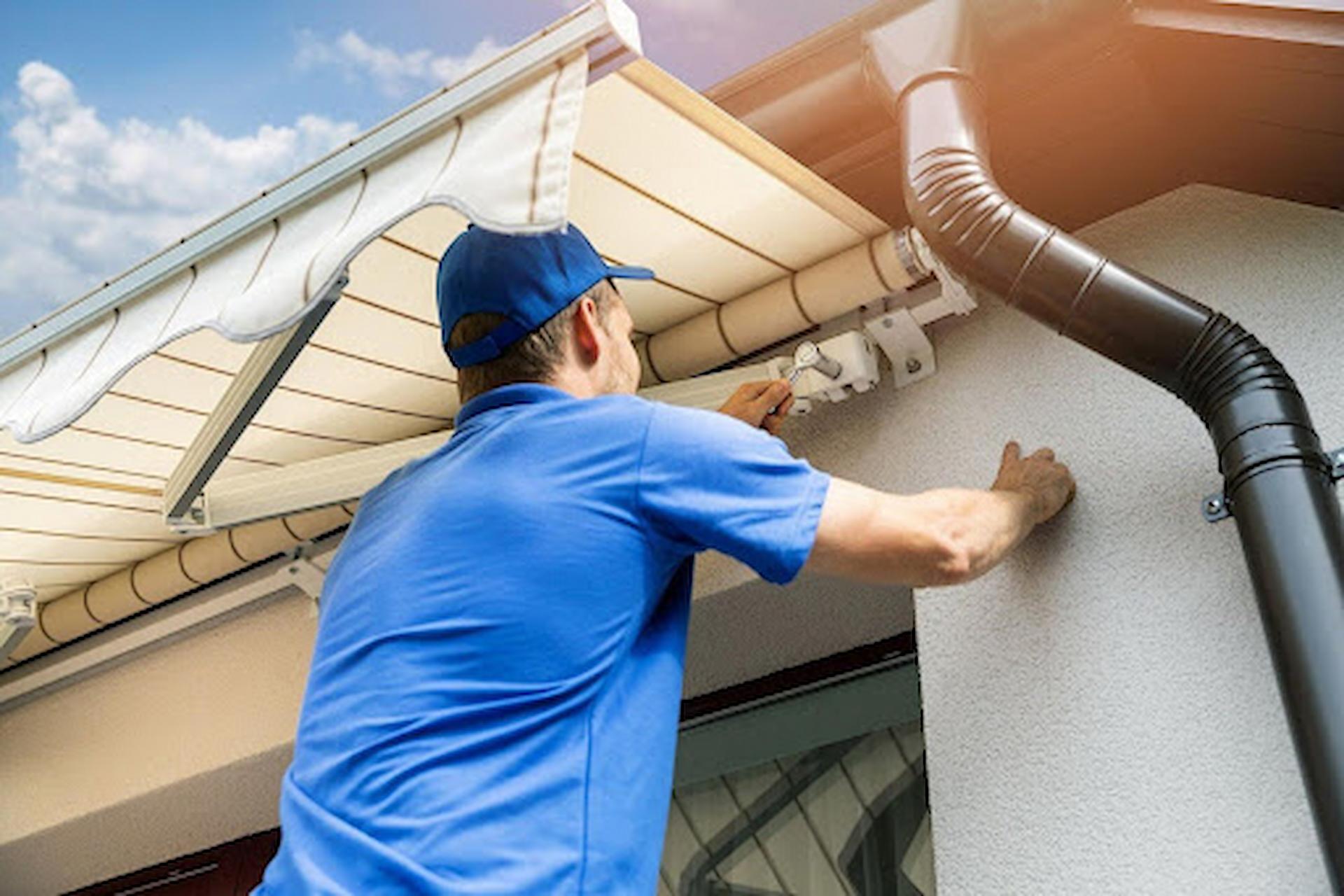
Awnings are no longer just fabric covers fixed above doors or windows. Modern systems are engineered to manage heat, glare, and weather exposure while complementing a building’s exterior. For homeowners and commercial property managers, choosing professional awning installation services UK ensures correct positioning, secure fixing, and long-term performance without the need for structural alterations.
Beyond aesthetics, awnings help regulate internal temperatures, reduce reliance on air conditioning, and protect interiors from UV damage. Building energy studies indicate that external shading can cut solar heat gain through windows by up to 65% on south-facing façades, reinforcing the role of awnings as a practical energy-management solution rather than a decorative extra.
Fixed Awnings: Reliable Protection with Permanent Presence
Fixed awnings are rigid structures mounted securely to a building. They provide constant shade and weather protection throughout the year, making them suitable for entrances, shopfronts, and windows exposed to regular sunlight.
Their strength lies in simplicity. With no moving parts, fixed awnings require minimal maintenance and perform consistently in predictable conditions. They also allow for deeper projections, which is useful for areas that need long-lasting cover rather than occasional shade.
Where Fixed Designs Perform Best
Fixed awnings work particularly well where uninterrupted shelter is required, such as retail entrances or residential windows with prolonged sun exposure. Their permanence makes them a strong option when flexibility is less important than durability.
Retractable Awnings: Flexible Shade on Demand
Retractable awnings introduce adaptability. These systems extend when shade is needed and retract when sunlight or open skies are preferred. They are commonly operated manually or via motorised controls, sometimes linked to wind or sun sensors.
The benefit is control. Users can adjust coverage based on weather or time of day, which is valuable for patios, terraces, and outdoor seating areas. When retracted, the awning fabric is protected from unnecessary wear, extending its lifespan.
Balancing Convenience and Longevity
Retractable systems suit spaces that change function throughout the day. They allow properties to enjoy sunlight in cooler months while offering shade during peak summer conditions.
Canopy Awnings: Shaping Identity and Shelter
Canopy awnings feature curved or angular frames with fabric stretched over them, creating a defined architectural form. They are often used to add visual interest while still providing practical shelter.
These awnings are effective at managing rain as well as sun, thanks to their shaped structure that encourages water runoff. For properties seeking both protection and a distinctive exterior feature, canopy designs offer a balanced solution.
Awnings as Visual Anchors
Canopy styles can help define entrances and highlight key areas of a building. Their structured appearance makes them suitable for properties where exterior presentation plays a significant role.
Motorised and Smart Awnings: Automation Meets Comfort
Advances in technology have brought automation into awning systems. Motorised awnings can be operated via remote controls or integrated into smart home and building systems.
Some designs include sensors that automatically retract the awning during high winds or extend it in strong sunlight. This not only improves convenience but also protects the system from weather-related damage.
Reducing Manual Effort
Automated systems are particularly useful for large installations or frequent use, where ease of operation and safety are priorities rather than manual adjustment.
Materials Matter: Fabric and Frame Choices Explained
The performance of an awning depends heavily on its materials. Modern awning fabrics are typically acrylic or polyester treated with UV-resistant coatings. These fabrics resist fading, repel water, and maintain colour consistency over time.
Frames are usually aluminium or steel. Aluminium offers corrosion resistance and lighter weight, while steel provides additional strength for larger spans. Understanding these differences helps property owners make informed decisions based on environment and usage.
Why Material Selection Impacts Longevity
Choosing suitable materials ensures the awning remains effective under local weather conditions, reducing long-term maintenance and replacement costs.
Practical Advantages for Homes and Businesses
Awnings deliver benefits that go beyond shade:
- Reduced indoor heat buildup, improving comfort during warmer months
- Lower energy demand by limiting solar heat entering through windows
- Protection for furniture, flooring, and displays from UV exposure
- Improved outdoor usability for seating, walkways, or leisure areas
When designed correctly, awning installation services UK support both functional needs and visual harmony with the building.
Key Takeaways Before Choosing an Awning
Before selecting an awning, it helps to keep a few practical points in mind:
- Consider how often shade is needed and whether flexibility matters
- Match the awning type to the building’s orientation and exposure
- Choose materials suited to local weather conditions
- Think about long-term maintenance, not just initial appearance
These considerations ensure the awning delivers consistent value rather than becoming a decorative afterthought.
The Bottom Line
Awnings sit at the intersection of comfort, efficiency, and design. When chosen thoughtfully, they do more than block sunlight; they reshape how spaces are used throughout the day and across seasons. For homes, that can mean cooler interiors and more usable outdoor areas. For businesses, it often translates into better customer comfort and reduced energy strain.
The variety of awning types now available allows property owners to align function with aesthetics, rather than compromising one for the other. Fixed systems offer reliability, retractable options provide control, and automated designs introduce modern convenience. Materials and installation quality ultimately determine how well these benefits are sustained over time.
Investing in professional awning installation services UK ensures that structural integrity, placement, and performance are considered from the outset. With the right approach, an awning becomes a long-term asset—quietly enhancing daily comfort while supporting smarter, more efficient spaces.