


Spine surgery marks a turning point for many athletes, not just physically, but mentally. While the body heals over time, rebuilding the confidence needed to return to sport often requires just as much care and intention. Dr. Larry Davidson, a leader in minimally invasive spine surgery, emphasizes that mental recovery is a vital, but sometimes overlooked, part of rehabilitation. Athletes who address the psychological aspects of healing, such as fear of re-injury and loss of identity, are better positioned to return stronger and more resilient.
Surgery may pause an athlete’s career, but it also creates space to reflect, reset and refocus. This period of recovery provides a unique opportunity to redefine what strength, progress and success mean in both sports and daily life. Recovery is as much about mindset as it is about muscles, and approaching it with intention can transform a challenging setback into a meaningful phase of growth.
The Impact of Spine Surgery on Athlete Identity
For many athletes, sport is more than an activity. It is part of who they are. Surgery and the enforced break from training and competition can create a sense of loss or disconnection. Athletes may struggle with questions about their abilities, future in sport or place on a team. These feelings are normal, but if left unaddressed, they can slow recovery or lead to discouragement.
Acknowledging the emotional impact of surgery helps athletes take the first step toward rebuilding their confidence and sense of self. Processing these feelings openly, whether through conversations with coaches, teammates, mental health professionals or trusted mentors, can ease the sense of isolation that sometimes accompanies recovery. When athletes feel supported and understood, they are more likely to stay engaged in the process, and they can begin to reconnect with their identity, both within and beyond sports.
Fear of Re-injury
One of the most significant psychological challenges after spine surgery is fear of re-injury. Even when the body is physically ready, the mind may hold back. Athletes might hesitate during movements, avoid certain drills or feel anxious about returning to full competition. This fear, while natural, can affect performance, and may even increase the risk of compensatory injuries.
Dr. Larry Davidson notes that working through fear of re-injury requires a combination of education, gradual exposure to sport-specific activities and support from the care team. Understanding what the body is capable of and what safeguards are in place helps athletes trust in their recovery.
The Role of Gradual Progression
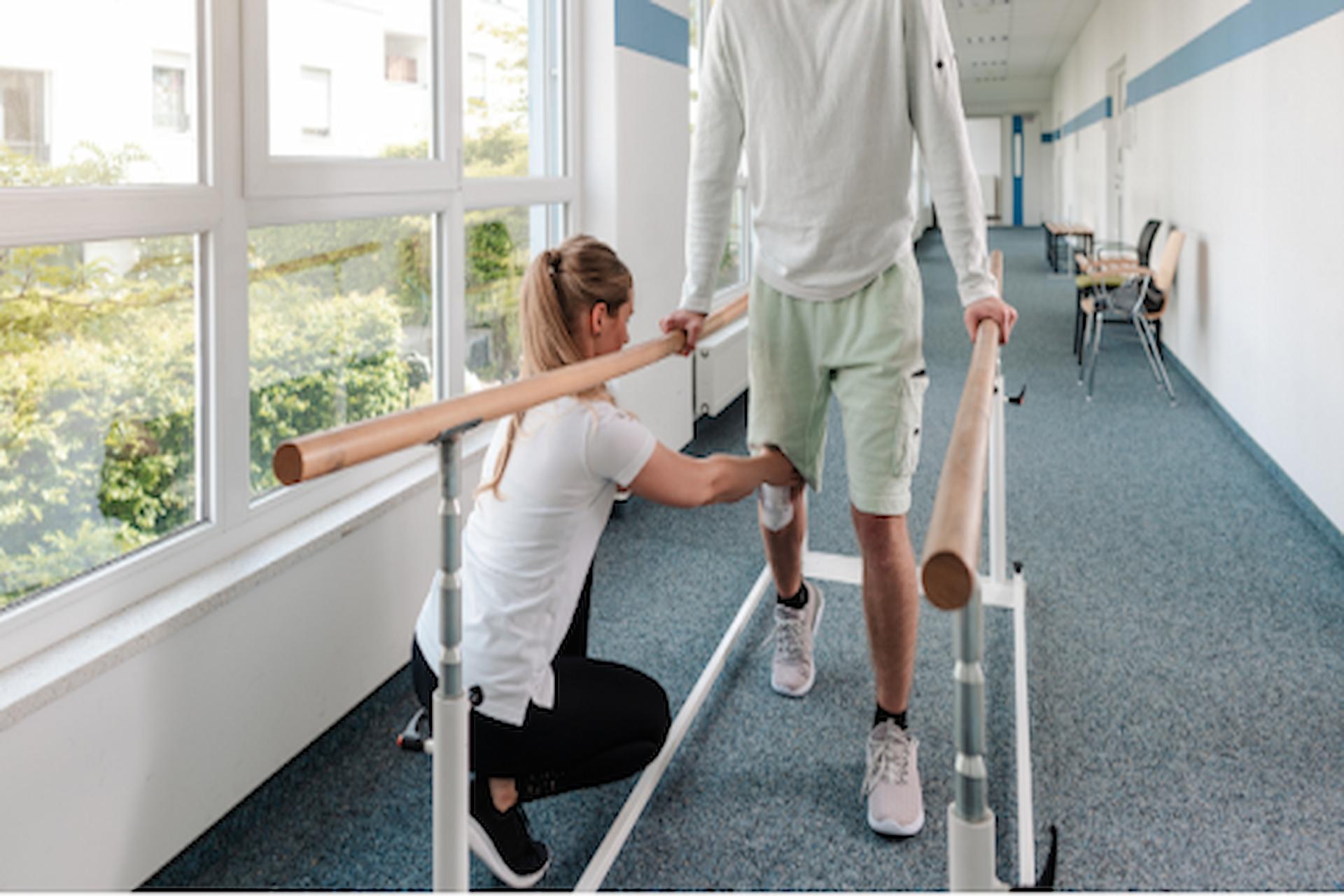
A carefully structured recovery plan builds not only strength and endurance but also mental readiness. By setting achievable milestones, athletes can experience small successes that restore confidence. Each completed step reinforces the athlete’s belief in their ability to move safely and effectively.
Gradual progression allows the mind and body to heal together, creating a sense of balance between physical gain and emotional reassurance. As confidence builds through consistent, manageable steps, athletes are less likely to feel overwhelmed or fearful of setbacks. This steady approach supports a positive outlook and encourages long-term engagement in the recovery process.
Psychological Tools for Recovery
Several strategies can help athletes navigate the mental side of recovery. Visualization exercises allow athletes to mentally rehearse movements and see themselves succeeding, which can enhance confidence. Mindfulness practices help manage anxiety by focusing attention on the present moment, rather than worries about the past or future. Setting realistic, measurable goals provides structure and motivation.
In some cases, working with a sports psychologist or counselor offers valuable support. These professionals can help athletes process emotions, challenge unhelpful thought patterns and build coping strategies. They provide a safe space for athletes to express concerns without judgment, building emotional resilience.
Through guided techniques, athletes can enhance focus and mental toughness during competition. Regular sessions may also aid in preventing burnout and managing performance anxiety. It helps athletes maintain both their mental well-being and peak performance over time.
The Importance of Communication
Open communication with the care team is essential. Surgeons, therapists and trainers can provide reassurance about physical readiness and help athletes interpret their body’s signals. Honest discussions about fears, frustrations or setbacks create opportunities for timely adjustments to the recovery plan.
Athletes are encouraged to share their concerns with teammates, coaches or family. A strong support network provides both encouragement and accountability throughout recovery. Open communication with trusted individuals can reduce feelings of isolation and support emotional well-being.
This sense of connection often boosts motivation and reinforces positive habits. Involving others allows for practical help, whether through training adjustments or daily support. Together, these relationships create a foundation for sustained progress and well-being.
Reconnecting With Sport
As recovery progresses, athletes benefit from re-engaging with their sport in safe and supportive ways. It might mean attending practices to observe, assisting with coaching duties or participating in team meetings. Staying connected to the athletic community helps maintain identity and motivation during periods of limited physical activity.
Returning to sport is not an all-or-nothing proposition. Finding ways to stay involved can ease the transition back to full participation. It might include helping with team activities, mentoring younger athletes or focusing on skill development that aligns with recovery goals.
Staying connected in this way helps athletes maintain a sense of purpose and belonging. Gradually reintegrating into activity allows them to rebuild confidence at their own pace, supporting both physical recovery and emotional readiness for competition.
Building a New Definition of Success
Spine surgery often leads athletes to reconsider what success looks like. For some, it may mean returning to previous performance levels. For others, it may involve adapting to new limitations or exploring different athletic pursuits. The key is to define success in a way that aligns with current abilities, values and goals.
A flexible, growth-oriented mindset allows athletes to stay motivated and connected to their sport, even as their goals change. By focusing on progress rather than perfection, athletes can celebrate milestones that reflect personal growth and resilience. It helps ensure that the journey remains fulfilling, no matter how the path may change after surgery.
Confidence as a Cornerstone of Recovery
Recovery from spine surgery is about more than hitting physical milestones. It’s about restoring trust in the body’s strength, reconnecting with sport and discovering new ways to excel. By giving the mental aspects of healing the same attention as physical rehabilitation, athletes can return not just to play, but with renewed purpose and confidence.
This comprehensive strategy strengthens long-term outcomes by supporting both emotional and physical readiness. With the right support, a clear plan and a resilient mindset, athletes can move forward with confidence. They return not just to their sport, but with the potential to grow and thrive in new ways.